
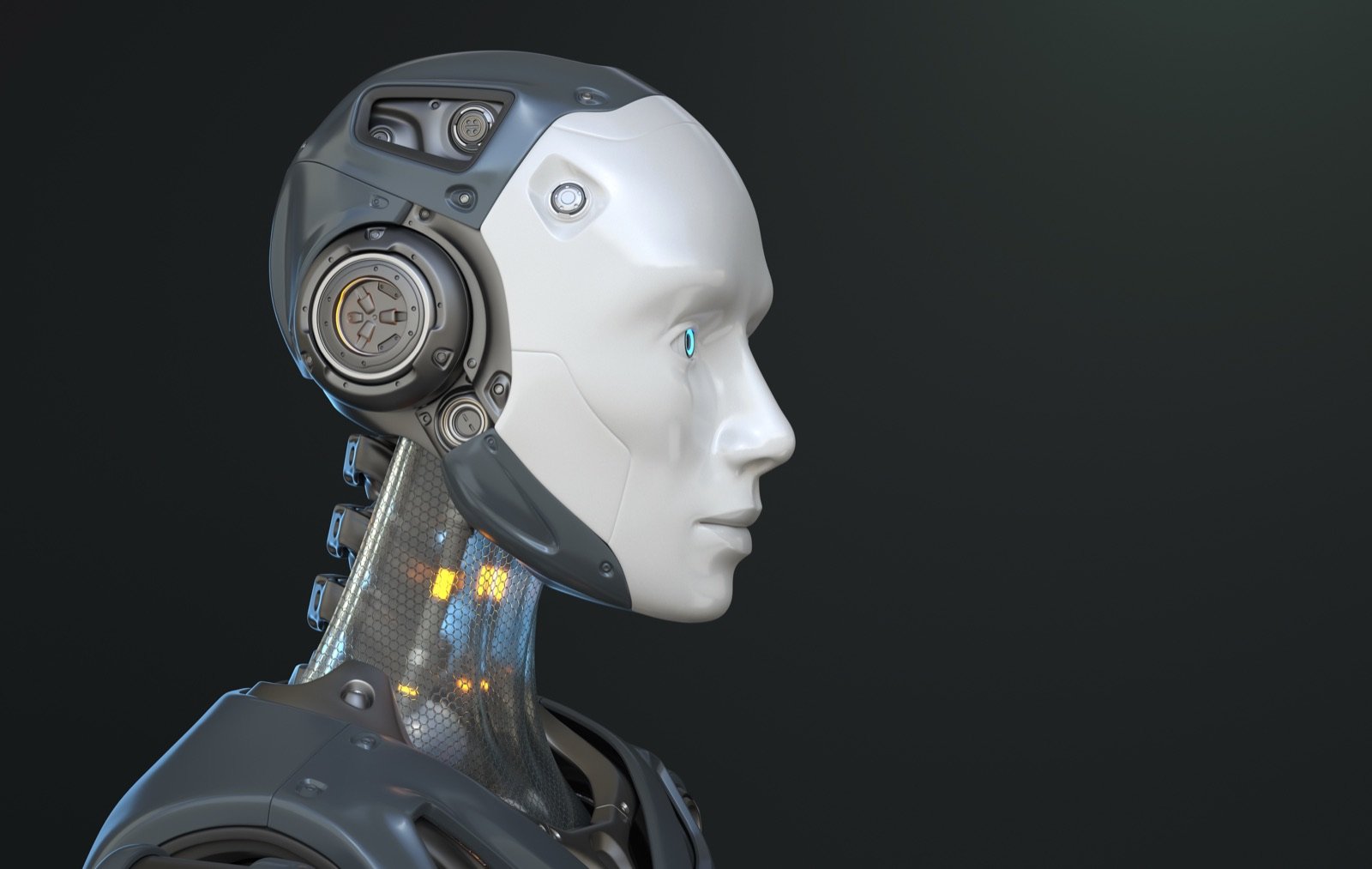
For years, artificial intelligence has lived behind glass. It wrote our emails, answered our questions and generated our images — always inside a chat window, always trapped in a screen. At CES 2026, that era quietly ended. The phrase on every stage, every booth and every analyst report was the same: Physical AI. Intelligence is getting a body, and 2026 is the year it steps into our world.
What Is Physical AI?
Physical AI is artificial intelligence that perceives, reasons and acts in the real, physical world — instead of just generating words and pictures on a screen. It is the brain inside a warehouse robot that decides how to grip an oddly-shaped parcel, the intelligence in a car that explains why it is braking, the system in a smart factory that reroutes production around a broken machine.
The difference is easy to remember: a chatbot tells you how to fold a shirt. Physical AI folds it. Analysts call this the shift to "layer zero" experiences — AI coordinating real actions across devices and services, not just conversations inside an app.
Why Now? Three Forces Converging
1. Robots got a common brain. At CES 2026, Nvidia released open "physical AI" models — Cosmos Reason 2, a vision-language model that helps machines see, understand and act, and Isaac GR00T N1.6, built specifically for humanoid robots. Partners from Boston Dynamics to LG and Caterpillar unveiled robots running on this shared stack. In effect, robotics just got its Android moment: one intelligent platform, many bodies.
2. Devices beyond the smartphone. OpenAI's $6.5 billion acquisition of io — the hardware startup founded by legendary Apple designer Jony Ive — is expected to produce its first AI-native devices in 2026, designed to be calmer and less screen-bound than the phone in your pocket. The race to build what comes after the smartphone has officially started.
3. AI escaped the lab in science too. AI weather models now forecast typhoons days ahead of traditional methods, and researchers have used AI to design entirely new biological structures. Intelligence isn't just answering questions about the world anymore — it is actively reshaping it.
The Debate: Privacy, Power and the Hard-Hat Era
A technology this big carries real questions. Devices that act in the world must constantly see and hear it — so who holds that data, and what else is it used for? The data centres behind these systems consume enormous amounts of energy, which is precisely why breakthroughs like the solid-state batteries we covered recently matter far beyond cars: the physical AI era will be hungry for efficient, dense energy storage.
And for businesses, the honeymoon is over. As one analyst memorably put it, AI is trading its tiara for a hard hat — 2026 is the year of unglamorous work: safety cases, governance, training, and proving that a robot actually earns its keep.
We've Seen This Coming
Longtime readers of this blog might feel a sense of déjà vu. Back in 2018 we marvelled at BMW's self-riding motorcycle — a machine that balanced, steered and braked with nobody in the saddle. That was physical AI before the term existed. What changed in the eight years since is not the dream, but the infrastructure: shared robot brains, purpose-built chips, and batteries dense enough to power it all.
What Happens Next
Expect the first wave to be invisible: warehouses, factories, delivery yards. The second wave arrives at home — appliances that genuinely understand what they are looking at, and the first post-smartphone AI companions. The third wave is the one worth debating now, while we still shape it: machines that share our streets, our workplaces and our decisions.
Physical AI is not just another trend — it is the moment computing steps off the screen and into the room with us. Are you excited, or a little terrified? Honestly? The correct answer is probably both.